Joint pain is often a load-response problem before it becomes a constant pain problem. A knee may react after repeated compression, a shoulder may lose tolerance during overhead work, or a wrist may flare after gripping because the joint is no longer distributing force efficiently. Many people searching for high-pressure medical cryotherapy in Los Angeles, CA, are looking for a non-medication option that helps address how the joint responds under stress, especially when pain is tied to cartilage wear, tendon overload, synovial irritation, ligament strain, inflammation, or repeated friction. In those cases, the pattern of pain during movement can be more useful than pain intensity alone.
PrecisionCryo offers high-pressure medical cryotherapy for joint pain in Los Angeles, CA, using high-pressure medical cryotherapy for people who want support without relying only on medication or extended recovery time. A comprehensive review in 2024, “Cryotherapy and Thermotherapy in the Management of Osteoarthritis and Rheumatoid Arthritis: A Comprehensive Review” by Yao et al, explains that cryotherapy and thermotherapy are non-pharmacological options used in the management of osteoarthritis and rheumatoid arthritis. Cryotherapy is discussed for its role in decreasing acute pain and inflammation through the reduction of tissue temperature. The review also notes that cold and heat therapies should be adapted to the patient’s condition because guideline recommendations vary and long-term research remains limited. At PrecisionCryo, that evidence-informed approach supports the use of high-pressure medical cryotherapy for joint pain patterns involving swelling, stiffness, movement limits, and recurring irritation.
What is High Pressure Medical Cryotherapy?
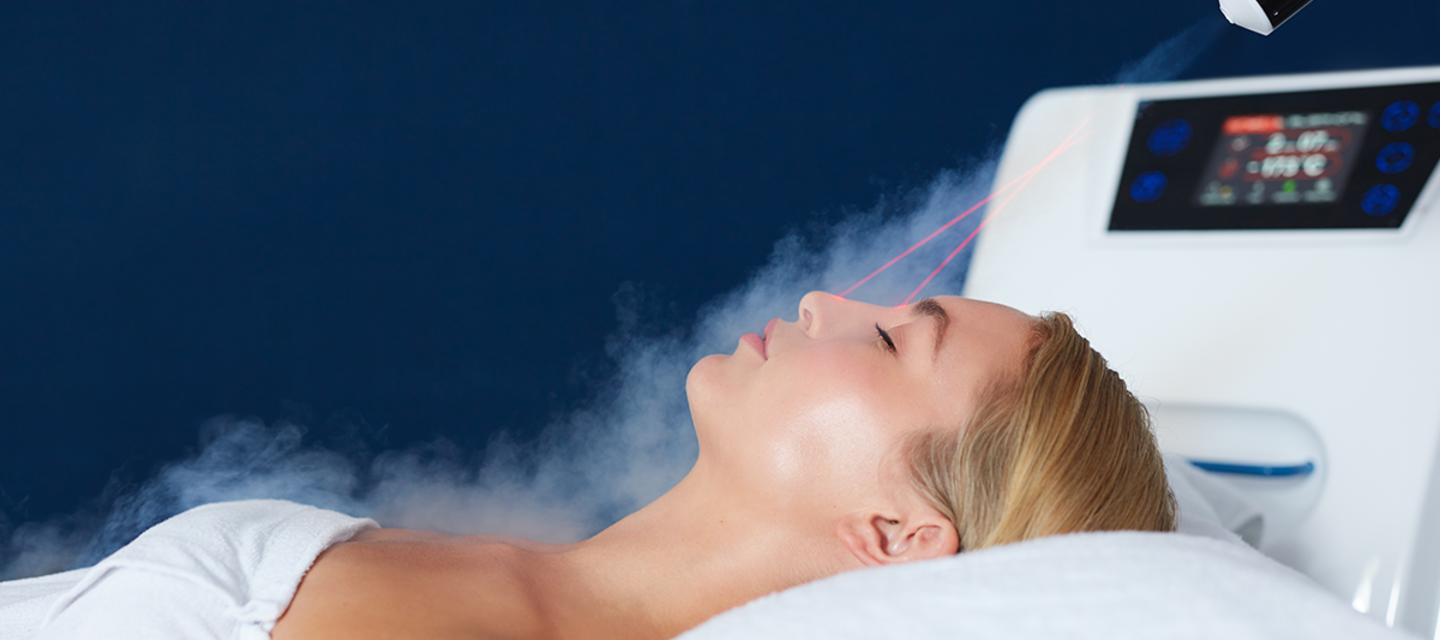
High-pressure medical cryotherapy, also called CO2 cryostimulation, uses pressurized cold CO2 to support joint pain relief without medication or surgery. Rather than slowly cooling the area like an ice pack, it produces a fast cooling response over the painful joint in seconds. This quick drop in skin temperature may help activate the body’s natural response to pain and inflammation.
This rapid temperature change matters because the body reacts differently to intense therapeutic cooling than it does to ordinary cold exposure at home. The quick cold stimulus can help reduce pain signaling, calm irritation around the joint, and influence how reactive the area feels during movement. Many people explore high-pressure medical cryotherapy for pain relief when joint pain keeps interfering with stairs, workouts, lifting, sports activities, gripping, or long workdays.
How Thermal Shock Affects The Joint
High-pressure medical cryotherapy works through what is commonly called a thermal shock response. The sudden drop in skin temperature forces blood vessels in the area to constrict rapidly. This process may help calm swelling, reduce pressure around irritated tissue, and temporarily slow pain signaling around the joint.
As circulation normalizes afterward, the area receives fresh oxygenated blood again. Many people describe the joint as feeling less heavy, less reactive, or easier to move after the session because the tissue no longer feels as overloaded during activity.
How Joint Pain Signals May Decrease
One reason people explore high-pressure medical cryotherapy is that rapid cooling may influence peripheral nerve activity around the painful area. When the joint is irritated, pain signals can become more reactive during walking, gripping, lifting, bending, or training.
By calming the intensity of those signals, some people notice that basic movement feels more manageable afterward. This can be important for people whose joint pain interrupts work routines, workouts, mobility work, sports activities, or repetitive movement throughout the day.
How It May Help Swelling And Fluid Build-Up
Swelling can increase pressure inside and around a painful joint, especially after repetitive movement, overuse, sports activity, or long-standing hours. Fluid build-up may leave the joint feeling stiff, unstable, or difficult to fully load during movement.
High-pressure medical cryotherapy is often explored by people who deal with recurring swelling because the cooling response may help calm the area before the irritation keeps building throughout the day. This becomes especially relevant for knees, ankles, shoulders, and elbows that repeatedly flare after activity.
How the Range of Motion May Improve
Joint pain often changes movement quality before people fully notice the compensation patterns happening around the area. Someone may stop squatting fully, shorten their stride, avoid overhead reaching, or limit grip strength because the joint no longer feels reliable during movement.
As irritation and stiffness settle, many people notice improved range of motion and less hesitation during activity. This may help people stay more consistent with stretching, mobility work, walking, physical therapy, strength training, and daily movement.
What Happens During A High-Pressure Medical Cryotherapy Session?
Initial Joint Evaluation
PrecisionCryo offers high-pressure medical cryotherapy (HPMC), a safe, non-invasive treatment designed to alleviate chronic pain, muscle spasms and inflammation. This revolutionary technique uses high-pressure CO2 to cool tissues rapidly, leading to immediate pain relief and faster recovery.
The treatment session begins with a detailed review of the patient’s symptoms, any doctor’s notes, imaging and lower back pain pattern. Once the appropriate treatment area has been identified, pressurized CO2 is applied through the specialized and proprietary AC-130 Hercules device. The treatment is brief (typically 2-4 minutes), focused, and does not involve medication, needles, or downtime.
Post-Treatment Response
After the session, people are usually encouraged to pay attention to practical movement changes rather than only asking whether the pain has disappeared completely. Signs may include easier walking, less stiffness after sitting, reduced soreness after activity, easier stair use, or better joint movement during daily tasks.
These details help determine whether additional sessions may support the person’s routine and whether the joint is responding positively during work, sports activity, exercise, or recovery.
Why Some People Prefer High-Pressure Medical Cryotherapy Over Medication
No Medication-Related Side Effects
Many people dealing with joint pain want support that does not rely only on oral pain medication. Long-term medication use may carry concerns related to stomach irritation, cardiovascular risk, or dependency on repeated symptom masking instead of movement-based recovery.
High-pressure medical cryotherapy is often explored because it provides a non-invasive option without introducing medication into the body. This becomes especially important for people trying to manage recurring joint irritation over longer periods.
Faster Recovery Support
Some people seek high-pressure medical cryotherapy because the response is often noticed quickly after treatment. Joint swelling, stiffness, overload, or reactivity after activity may prompt people to seek out support that fits into busy schedules without taking much downtime.
This can be useful for active adults, athletes, performers, and those in physically demanding professions where repeated joint flare-ups disrupt consistency and physical performance.
Joint-Specific Support
Unlike oral medication that affects the whole body, high-pressure medical cryotherapy is applied directly over the painful area. This allows the session to stay focused on the joint involved and the movement pattern creating the most irritation.
For people dealing with knee strain, shoulder overload, wrist irritation, ankle soreness, or repetitive-use joint pain, that localized approach is one reason the service continues to be explored in sports recovery and musculoskeletal care.
Joint Conditions Commonly Treated With High-Pressure Medical Cryotherapy
Joint pain can come from very different movement demands, which is why symptoms vary from one person to another. Some people mainly struggle after sports activity, while others deal with recurring stiffness from repetitive work, arthritis-related irritation, or post-surgical recovery.
High-pressure medical cryotherapy is commonly explored for osteoarthritis-related joint pain, rheumatoid arthritis symptoms, sports injuries, ligament strain, post-operative swelling, and recurring overuse irritation affecting joints such as the knees, shoulders, hips, elbows, wrists, and ankles.
Osteoarthritis And Joint Degeneration
As cartilage changes develop over time, osteoarthritis may cause stiffness, soreness, grinding sensations, and reduced movement tolerance. Many people find that the symptoms are more noticeable after activity, standing for long periods, climbing stairs, or sitting for long periods.
High-pressure medical cryotherapy is often explored when osteoarthritis symptoms keep interfering with walking, mobility, workouts, or daily movement.
Sports Injuries And Overuse Strain
Sports-related joint pain often develops from repetitive loading, impact, sudden movement, or incomplete recovery between activity sessions. Knees, shoulders, ankles, and elbows are often reactive when training exceeds recovery.
People involved in sports and fitness often explore high-pressure medical cryotherapy to help manage soreness, swelling, and repeated flare-ups that interfere with consistency.
Post-Surgical Swelling And Recovery
After surgery, joints may be swollen, stiff, or sensitive when moved while tissue heals. This can make walking, bending, lifting, or mobility exercises feel more difficult.
High pressure medical cryotherapy is frequently considered during recovery periods when post-procedure swelling and stiffness interfere with normal movement progression.
Chronic Joint Irritation
Some joint pain cases continue for months or years because the same movement patterns, physical demands, or inflammatory responses keep returning. These joints may feel manageable on some days and highly reactive on others.
People dealing with chronic joint irritation often look for support that helps them stay more active and consistent instead of repeatedly stopping movement because the joint keeps flaring.
Why Choose PrecisionCryo For Joint Pain Support
PrecisionCryo brings high-pressure medical cryotherapy in Los Angeles, CA, into a recovery-focused setting for people dealing with joint pain, sports injuries, low back pain, sciatica, and athlete recovery needs. Located in Los Angeles, CA, PrecisionCryo is the exclusive provider of high-pressure medical cryotherapy in Greater Los Angeles and Southern California and operates as an affiliate of New York Cryogen. Its patented technology uses pressurized CO2 during structured sessions designed for people who want non-invasive support for pain, inflammation, mobility, and physical function.
Founders David Parouse and Vanessa Tufto bring more than two decades of combined experience across healthcare and medical device industries, along with athletic recovery insight that shapes how the service is delivered. That matters for joint pain because patients often need practical support that fits the way pain affects real life, from gym routines and sports activity to workdays, travel, and daily movement. PrecisionCryo focuses on outcomes people can actually notice, including less pain, less swelling, easier movement, and fewer interruptions from recurring joint flare-ups.
“So happy to report my swelling is reduced today by at least 50%.” – Shannon, Athlete & Actress
Looking for high-pressure medical Cryotherapy for Joint Pain near me? Visit PrecisionCryo to explore high-pressure medical cryotherapy for joint pain, swelling, stiffness, and movement support.
For pain management in Los Angeles, CA, people generally seek non-invasive services that aid in movement and recovery without solely relying on medication or extended downtime. Call us to book your consultation today!
Frequently Asked Questions
How can I relieve joint pain without medication?
The joint needs rest, less load, and a break from what keeps setting it off. If swelling or stiffness is limiting movement, cryotherapy is a non-medication option that targets what is keeping it reactive.
Can cryotherapy help with joint pain?
Many people have experienced their joints feeling less swollen, less irritated, and easier to move after treatment. Results vary depending on the joint, the cause, and how long symptoms have been present.
What is the fastest way to reduce joint pain naturally?
Give the joint room to recover. Reduce the load, apply cold therapy, keep movement light, and rest adequately. That combination is often all it needs to begin settling.
How does cryotherapy help reduce joint pain?
It works by targeting the joint with focused cold, reducing inflammation, lowering sensitivity, and giving the area a chance to settle. The result for most people is simpler: movement just feels better after.
How quickly does cryotherapy work for joint pain?
It depends. A recent flare may respond in just a few sessions. Recurring or chronic pain usually calls for a more consistent plan over time.
How many cryotherapy sessions do I need for joint pain?
Every case is different. A recent flare may need only a handful of sessions, but if pain keeps coming back or has been ongoing, a steadier treatment plan tends to produce better results.
Is cryotherapy safe for joint pain?
Yes, for most people. It is non-invasive, requires no medication or recovery time. If significant swelling, signs of infection, fever, or worsening pain occur, get a medical assessment before treatment.
Cryotherapy vs ice packs for joint pain: What’s the difference?
Ice packs are simple home tools, but they can warm quickly and may not stay in place well around moving joints. PrecisionCryo uses high-pressure medical cryotherapy with pressurized CO2 during a structured session.
Who is a good candidate for cryotherapy for joint pain?
Anyone experiencing joint pain, swelling, stiffness, or irritation with activity that is preventing movement, training, or daily life. Severe or worsening symptoms should be medically evaluated first.