Sciatica can make simple movements feel difficult, especially when pain moves from the lower back into the hip, glute, leg, or foot. Many people searching for high-pressure medical cryotherapy in Los Angeles, CA, want a non-invasive way to manage that pain while reducing the inflammation that may be feeding the irritation. Because Sciatica can involve muscle tension, disc pressure, nerve sensitivity, or stress around the lower spine and pelvis, support should focus on both symptom relief and improved daily function.
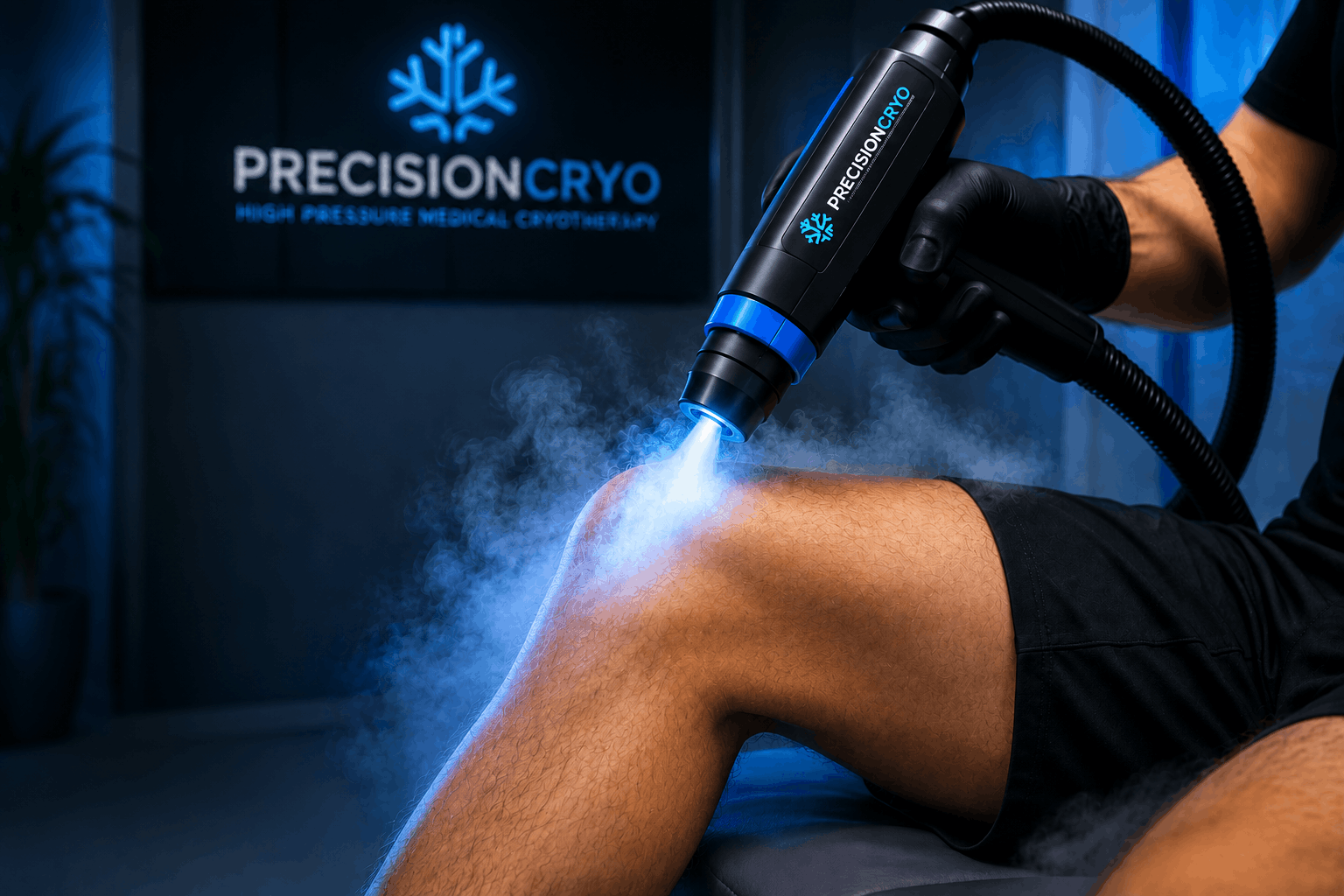
PrecisionCryo offers high-pressure medical cryotherapy for Sciatica in Los Angeles, CA, using high-pressure medical cryotherapy, also known as HPMC. The approach is centered around rapid cooling of the inflamed lower back to reduce pain and inflammation so everyday movement feels less reactive during sitting, standing, walking, exercise, and recovery.
Why Sciatica Pain Can Be So Difficult To Manage
Sciatica can affect the way the whole lower body moves because the sciatic nerve follows a long path from the lower spine into the legs. If irritation occurs along this pathway, pain may remain localized to the low back or glute, or it may radiate into the thigh, calf, or foot. This can affect basic routines such as sitting, driving, bending, sleeping, walking, and working out. As the pain gets worse, the body can tense up around the area of irritation, leading to tighter muscles, less movement, and ongoing inflammation.
This is where cryotherapy for pain relief may support recovery behavior, especially for people who become less active or start moving unevenly because they are trying to avoid pain. Instead of waiting for symptoms to settle on their own, many people look for ways to reduce inflammation while staying more active during recovery. Lower pain levels may help people tolerate walking, standing, and daily movement with less hesitation, which matters because long periods of inactivity can sometimes make stiffness and muscle guarding worse.
Sciatica also tends to create secondary movement problems over time. People may begin leaning away from pain, shortening their stride, avoiding bending, or shifting pressure unevenly while sitting. Those changes can place more strain on surrounding muscles and joints. HPMC is often explored by people who want to preserve healthier movement patterns before protective habits, uneven posture, and guarded mobility become harder to correct.
How High-Pressure Medical Cryotherapy May Help Sciatica
High-pressure medical cryotherapy for Sciatica is often explored by people dealing with recurring lower back irritation, post-workout flare-ups, stiffness, and sciatic discomfort that keeps interfering with movement patterns. Instead of focusing only on temporary symptom management, many people use HPMC to help keep inflammation from continuously building around already irritated areas.
Another important factor is recovery pacing. Many people push too hard once symptoms slightly improve, then experience another flare from overloading the area too quickly. Others stop moving almost entirely because they are afraid of triggering pain. HPMC can fit into a broader recovery routine by helping people move through activity with better tolerance while still respecting the limits of healing tissue and irritated nerves.
If you want to read more about lower back pain support with HPMC, explore Is cryotherapy good for lower back pain?
Why High-Pressure Medical Cryotherapy For Pain Relief May Work Better Than Home Icing
Home icing is usually temporary and difficult to apply consistently across the lower back, hip, and glute area, where sciatic irritation often spreads. Many people also struggle to use ice consistently enough during busy schedules, workdays, workouts, or long commutes, where symptoms tend to flare more aggressively. Cryotherapy for pain relief with HPMC is often explored by people who want a more structured recovery option when recurring inflammation keeps interrupting normal movement and activity.
“Really relieved to see my pain and inflammation noticeably better today, at least a 40–50% improvement.” – Mark, PrecisionCryo Client, Fitness Coach & Entrepreneur
When To Consider HPMC For Sciatica Pain Relief
HPMC often makes sense for athletes, desk workers, drivers, gym-goers, and active adults whose sciatica symptoms keep interrupting training, work focus, sitting tolerance, or routine consistency. It may also fit people who keep cycling through short relief followed by another flare after long sitting, lifting, workouts, or busy workdays. The goal is to support steadier function so daily routines do not keep getting reset by the same pain pattern.
A good candidate should still pay attention to warning signs. Worsening numbness, loss of bladder or bowel control, severe weakness, fever, trauma, or rapidly worsening pain should be evaluated medically. Cryotherapy may help reduce pain and inflammation, but Sciatica can come from structural issues that need proper diagnosis.
To learn more about athlete recovery and recovery frequency, read How often should athletes use cryotherapy?
Why Choose PrecisionCryo For HPMC Sciatica Support
PrecisionCryo brings cryotherapy in Los Angeles, CA, into a more performance-focused and recovery-driven setting for people dealing with Sciatica, joint pain, sports injuries, and athlete recovery needs. The brand is located in Studio City and is the exclusive provider of high-pressure medical cryotherapy in the Greater Los Angeles and Southern California area. As an affiliate of New York Cryogen, PrecisionCryo uses proprietary, patented HPMC technology that applies pressurized CO2 to help reduce pain and inflammation without medication, invasive treatment, or downtime. Each appointment includes time for discussion, preparation, and treatment, so the session is shaped around the area being treated and the way symptoms are affecting daily movement.
The company’s authority also comes from the people behind it. Founders David Parouse and Vanessa Tufto bring a combined 25 years of experience in healthcare and medical device industries, along with a strong athletic background that gives them a practical understanding of injury, recovery, and performance demands. For sciatica support, that matters because patients are not only looking for temporary relief. They want help with sitting tolerance, walking ability, training consistency, work performance, and recurring flare patterns. PrecisionCryo keeps the focus on visible outcomes such as reduced pain, reduced inflammation, better mobility, and a stronger return to the activities people need and enjoy.
How Many Sessions May Be Needed For Sciatica?
A high-pressure medical cryotherapy for sciatica plan is shaped around the person’s pain pattern, symptom history, inflammation level, and response after the first session.
PrecisionCryo can help patients understand how their body responds session by session. High-pressure medical cryotherapy for Sciatica may be used as a short recovery series or as part of an ongoing pain management routine for recurring symptoms. The best approach is to track pain level, mobility, sitting tolerance, walking tolerance, and flare patterns after each visit so treatment frequency is guided by actual response.
“Very happy to share that the discomfort and swelling have gone down significantly since starting treatment.” – Zelina, PrecisionCryo Client, Athlete & Actress
Why High-Pressure Medical Cryotherapy and Physical Therapy Can Be Used Together
High-Pressure Medical Cryotherapy (HPMC) and physical therapy are both focused on different aspects of sciatica recovery, so they don’t need to be in competition but rather are intended to complement one another. Physical therapy can help improve strength, posture, mobility, nerve mechanics, and movement habits that could cause symptoms to recur over time.
High-pressure medical cryotherapy for Sciatica in Los Angeles, CA may help when flare-ups make movement-based recovery harder to follow. If someone avoids walking, stretching, strengthening work, or normal activity because symptoms return too easily, HPMC may help them reduce pain and inflammation in order to stay more consistent with those next recovery steps.
Long-term sciatica management may still require attention to spinal mechanics, hip mobility, work habits, training load, or exercise form, depending on the source of irritation. HPMC can support the symptom-control side of recovery while physical therapy and clinical care address movement quality and long-term function.
Looking for high-pressure medical cryotherapy for Sciatica in my area? Visit PrecisionCryo to explore high-pressure medical cryotherapy for reducing sciatica-related pain and inflammation. Frequently Asked Questions
Frequently Asked Questions
Does High-Pressure Medical Cryotherapy actually help Sciatica pain?
High-pressure medical cryotherapy (HPMC) can help to ease pain when tissue sensitivity and inflammation are contributing to sciatica symptoms. While HPMC does not cure structural causes of Sciatica, it can help to calm the pain response and support pain-free movement
How quickly does High Pressure Medical Cryotherapy (HPMC) relieve sciatica symptoms?
People respond differently to HPMC. Some will feel their pain lessen or their mobility improve after only one session, while others will require several sessions because their symptoms are more severe, persistent, or are associated with chronic inflammation.
Is High-Pressure Medical Cryotherapy better than ice or heat for Sciatica?
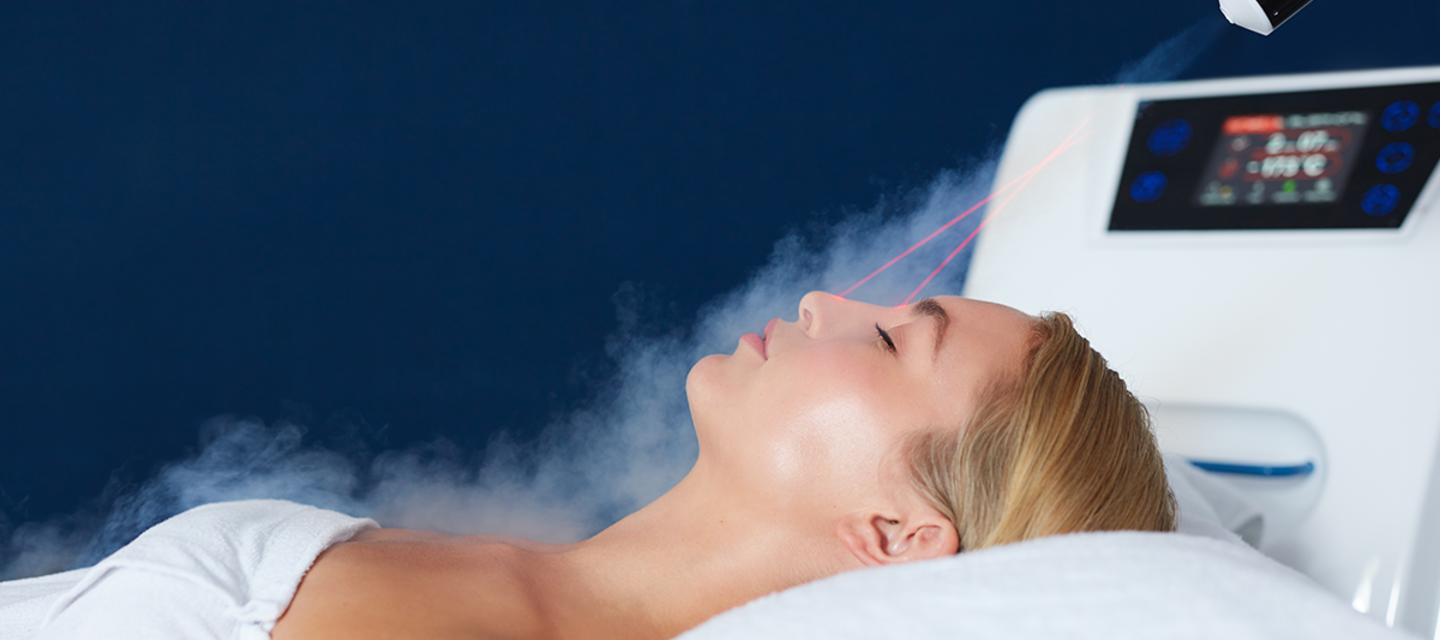
High-pressure medical cryotherapy may help when inflammation is high and pain restricts movement. Heat may be more useful when stiffness or tight muscles are the main issue. The better choice depends on what the body needs during that stage. Where HPMC really shines is that due to the pressurization of the CO2, we are able to cool deep into the inflamed tissues instead of just resting an ice pack on the skin’s surface.
High-Pressure Medical Cryotherapy (HPMC) vs physical therapy for Sciatica, which is better?
Physical therapy can help with strength, posture, mobility, and movement habits that may be contributing to Sciatica. High-pressure medical Cryotherapy may help reduce pain and inflammation, so those movement-based steps are easier to tolerate. For many people, both can work together. HPMC is often used prior to physical therapy to reduce pain and inflammation so that the movement required for PT exercises is easier and less painful.
Who is a good candidate for High-Pressure Medical Cryotherapy (HPMC) for Sciatica?
If you have sciatica pain in your lower back, glute, or leg that affects your ability to move normally, HPMC may be the solution for your symptoms. You should first seek medical attention if you have symptoms such as severe weakness, changes in bladder or bowel function, increasing numbness, or sudden, intense pain. MRI imaging is always helpful in determining the cause of sciatica pain.
How many High-Pressure Medical Cryotherapy (HPMC) sessions do I need for Sciatica?
The number of visits is not the same for all sciatica cases. Some patients find relief after one treatment, while those with chronic pain, leg symptoms, or movement restrictions may need a more frequent HPMC approach.
Is High Pressure Medical Cryotherapy (HPMC) safe for sciatica and nerve pain?
HPMC Cryotherapy is non-invasive, non-pharmaceutical and very safe. The treatment area is protected at all times by a silicone sheath. Serious nerve symptoms require medical attention so if numbness spreads, weakness worsens, or pain continues to worsen, call your healthcare provider.
What are the most common side effects of High-Pressure Medical Cryotherapy (HPMC) for Sciatica?
You may experience mild redness to the skin, sensitivity to the cold, tingling, or temporary soreness after treatment. If symptoms are severe or persist for a few days without improvement, contact your healthcare professional.
How long do the effects of High Pressure Medical Cryotherapy (HPMC) last for Sciatica?
After an HPMC session, relief can last from hours to days, depending on how much inflammation is present as well as how your body responds to the session.